Abstract
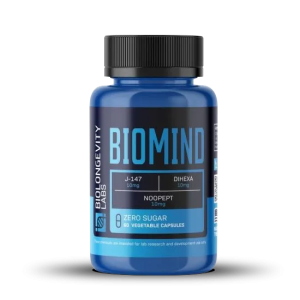
Dihexa, a synthetic oligopeptide derived from angiotensin IV, has garnered significant attention for its potential in enhancing cognitive function and promoting neural repair. This article delves into the mechanisms by which Dihexa influences neural connectivity and repair, drawing upon recent studies to elucidate its therapeutic potential in neurodegenerative diseases and neural injuries.
1. Introduction
Neurodegenerative diseases, such as Alzheimer’s and Parkinson’s, along with traumatic brain injuries, pose significant challenges due to the limited regenerative capacity of the central nervous system. Traditional treatments often focus on symptom management rather than addressing the underlying neural damage. Dihexa emerges as a promising candidate, given its ability to cross the blood-brain barrier and modulate neurotrophic pathways, thereby facilitating neural repair and enhancing cognitive functions.
2. Mechanism of Action
Dihexa’s primary mechanism involves its interaction with the hepatocyte growth factor (HGF) and its receptor c-Met. This interaction activates downstream signaling pathways, notably the PI3K/AKT pathway, which plays a pivotal role in cell survival, neurogenesis, and synaptogenesis . By potentiating HGF activity, Dihexa promotes the formation of new synaptic connections, essential for learning and memory.
3. Dihexa in Neurodegenerative Disease Models
In studies involving APP/PS1 transgenic mice, a model for Alzheimer’s disease, Dihexa administration led to notable improvements in cognitive functions. Treated mice exhibited increased neuronal density in the cerebral cortex and elevated levels of synaptophysin, a marker for synaptic density . Furthermore, Dihexa reduced neuroinflammation by decreasing pro-inflammatory cytokines like IL-1β and TNF-α while increasing the anti-inflammatory cytokine IL-10. These findings suggest that Dihexa not only promotes synaptic formation but also creates a conducive environment for neural repair by modulating inflammatory responses.
4. Dihexa in Neural Injury Models
Beyond neurodegenerative diseases, Dihexa has shown efficacy in models of peripheral nerve injury. In a rat sciatic nerve transection-repair model, Dihexa administration, especially when combined with mesenchymal stem cells (MSCs) or granulocyte-colony stimulating factor (G-CSF), significantly improved motor and sensory functions . The treated groups demonstrated enhanced limb function recovery, reduced muscle atrophy, and mitigated foot flexion contractures, underscoring Dihexa’s potential in peripheral nerve regeneration.
5. Synaptogenic and Neurogenic Properties
Dihexa’s ability to promote synaptogenesis is well-documented. In hippocampal neuronal cultures, Dihexa treatment resulted in a threefold increase in dendritic spine density, indicative of enhanced synaptic connectivity . These newly formed synapses were functional, as evidenced by increased AMPA-mediated miniature excitatory postsynaptic currents. Additionally, Dihexa has been shown to stimulate neurogenesis, further contributing to its reparative effects on the nervous system.
6. Comparative Efficacy
When compared to other neurotrophic factors, Dihexa exhibits superior potency. In assays measuring neurotrophic activity, Dihexa was found to be significantly more potent than brain-derived neurotrophic factor (BDNF), a well-known promoter of synaptic plasticity . This heightened efficacy positions Dihexa as a formidable candidate in therapeutic strategies aimed at neural repair and cognitive enhancement.
7. Safety and Pharmacokinetics
Preclinical studies indicate that Dihexa is orally bioavailable and can effectively cross the blood-brain barrier . Moreover, it has demonstrated a favorable safety profile, with no significant toxicity observed in animal models. However, comprehensive clinical trials are necessary to fully ascertain its safety and efficacy in humans.
8. Potential Clinical Applications
Given its multifaceted mechanisms, Dihexa holds promise in treating a range of neurological conditions:
- Alzheimer’s Disease: By promoting synaptogenesis and reducing neuroinflammation, Dihexa may counteract the synaptic loss characteristic of Alzheimer’s.
- Parkinson’s Disease: Its neuroprotective effects could safeguard dopaminergic neurons, potentially slowing disease progression.
- Traumatic Brain Injury: Dihexa’s ability to enhance neural connectivity and reduce inflammation makes it a candidate for facilitating recovery post-injury.
- Peripheral Nerve Injuries: As evidenced in animal models, Dihexa can aid in the regeneration of damaged peripheral nerves.
9. Conclusion
Dihexa represents a novel therapeutic avenue in the realm of neural repair and cognitive enhancement. Its unique mechanism of action, combined with demonstrated efficacy in preclinical models, underscores its potential in addressing various neurological disorders. Future research, particularly clinical trials, will be pivotal in determining its applicability in human medicine.
References
- Stem cell, Granulocyte-Colony Stimulating Factor and/or Dihexa to promote limb function recovery in a rat sciatic nerve damage-repair model: Experimental animal studies. PubMed. https://pubmed.ncbi.nlm.nih.gov/34703584/
- The Procognitive and Synaptogenic Effects of Angiotensin IV–Derived Peptides Are Dependent on Activation of the Hepatocyte Growth Factor/c-Met System. The Journal of Pharmacology and Experimental Therapeutics. https://jpet.aspetjournals.org/article/S0022-3565%2824%2918845-3/fulltext
- AngIV-Analog Dihexa Rescues Cognitive Impairment and Recovers Memory in the APP/PS1 Mouse via the PI3K/AKT Signaling Pathway. MDPI. https://www.mdpi.com/2076-3425/11/11/1487
- Dihexa health supplement benefits for cognitive, and brain. Nootripure. https://nootripure.org/dihexa
- Dihexa — Infinity Functional Performance. IFP Life. https://www.ifp.life/ifp-dihexa
- Dihexa. Reddit. https://www.reddit.com/r/HPPD/comments/ufsbx0
Note: The above references are provided for informational purposes. For detailed insights and data, readers are encouraged to consult the original studies.